Table Of Content
Vitamin C is also needed for the proper absorption of iron, a mineral that’s essential for hair growth cycle regulation. Eating a balanced diet rich in these vitamins and minerals may help promote hair growth, especially if your hair loss is due to poor nutrition. As mentioned, iron deficiency can lead to hair loss, most notably in women. Iron is plentiful in plant-based sources such as our ol' friend spinach (and other dark leafy greens), soybeans, lentils, fortified grains, and pasta. However, the body absorbs up to three times more iron from animal sources, so your best bet might be opting for lean, ground beef a couple times a week. A 4-ounce serving of cooked, 93 percent-lean beef crumbles serves upwards of 20 percent of your daily value of iron, according to the USDA National Nutrient Database.
I want to get healthier
From eggs to bell peppers, these picks are rich in essential vitamins and minerals to support hair growth. Speaking of avocado toast, swapping out white refined carbohydrates for 100% whole grains can help you amp up the zinc, iron, and B vitamins in your diet to support healthy hair among many other benefits. Buckwheat, a whole grain, is a nutritious gluten-free seed that is filled with key antioxidants and fiber, which can help you fill up faster.

Collagen Protein and Hair Growth: What Works?
Because hair follicles are made up of proteins, eating more protein is a great way to support hair growth. Legumes or beans are both great ways to get more plant-based protein, especially for vegetarians. Fish like salmon, sardines, and mackerel are packed with healthy omega-3 fatty acids.
8 Best Dog Foods for Hair Loss in 2024: Reviews & Top Picks – Dogster - Dogster.com
8 Best Dog Foods for Hair Loss in 2024: Reviews & Top Picks – Dogster.
Posted: Wed, 20 Mar 2024 04:26:46 GMT [source]
Sweet Potatoes to Fight Dull Locks
Pill or powder hair growth supplements may help, but you might as well start with what's on your plate. The protein in meat aids growth and helps repair and strengthen hair follicles. A 3.5-ounce (100-gram) serving of cooked sirloin steak provides as much as 29 grams of protein (34). A study of 100 people found that a spermidine-based nutritional supplement prolonged a phase of active hair growth called the anagen phase. The longer a hair follicle stays in the anagen phase, the longer it will grow (32). They also provide an excellent source of vitamin E, which may support hair growth.
14 best foods for hair growth, according to dieticians - Women's Health UK
14 best foods for hair growth, according to dieticians.
Posted: Thu, 23 Nov 2023 08:00:00 GMT [source]
vitamin and mineral deficiencies
In just one medium-sized avocado, you’ll get around 28% of your daily vitamin E needs. It even protects the scalp from oxidative stress and damage which, if not well nourished, can result in poor hair quality. Potential deficiencies linked to hair health include vitamins B12, D, E, A, and biotin, riboflavin, folate, zinc, and iron. One ounce of sunflower seeds covers 49% of the Daily Value (DV) for vitamin E and packs nearly 5 grams (g) of protein, which is required for proper follicle function and hair growth. Sunflower seeds are also high in selenium and zinc, which are minerals that are needed to maintain healthy hair. What’s more, certain nutrients are necessary for the regulation of the hair growth cycle and hair health in general.
“Tofu and other soybean products contain spermidine—a substance known for its antioxidant and anti-inflammatory properties,” says Yawitz.
It’s also a powerful antioxidant, which may protect hair strands against oxidative stress. Vitamin E also protects areas of the skin, like the scalp, from oxidative stress and damage. Damaged skin on the scalp can result in poor hair quality and fewer hair follicles (18).
We've put together a list of the best foods for healthy hair. Eat your way to fuller, stronger hair:
Here are the 14 best foods that contain many of the nutrients above, and may help with hair loss. A diet that is deficient in specific nutrients can lead to hair loss. Like citrus, papaya is filled with hair-perfecting vitamin C, which protects collagen.
Meat for protein and iron
Nut butters are also a tasty nutrient-dense option as they can give you those hair-growth-supporting nutrients. Both Agyeman and Gohara clocked lean protein as a key nutrient for hair health. This makes sense, because the hair shaft is composed almost entirely of a protein called keratin. Beans, chickpeas, peanuts, soybeans, and lentils are all ace sources of the nutrient and happen to be plant-based—but feel free to lean into your love of chicken breast instead. Beans and lentils are also a great source of other hair-healthy nutrients, including zinc, iron, biotin, and folate. A deficiency in some of these nutrients has been linked to premature whitening of the hair, though more studies are needed.
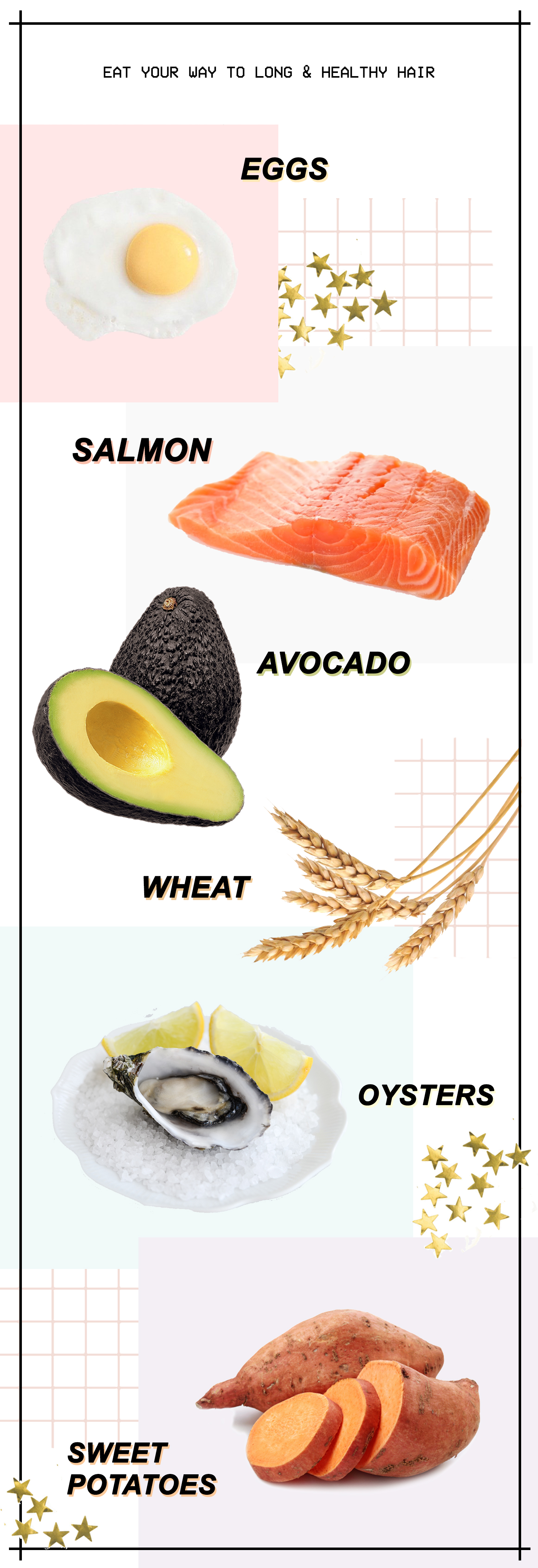
Many health organizations recommend eating two servings of fish per week, and salmon is a delicious and versatile option you’ll want to add to your grocery list. If you don't eat seafood, talk with your healthcare provider to see if taking a supplement is the right plan for you. Omega-3s are also found in some nuts and seeds, such as flaxseeds, but it's in a different form. These fish have nutrients, such as omega-3 fatty acids, protein, selenium, vitamin D3, and B vitamins, which may help promote strong and healthy hair growth.
Copper plays a significant role in regenerating new hair growth and can leave your hair feeling thick and voluminous by increasing the follicle size. Keep in mind that fluctuating hormones due to pregnancy or menopause can also change the texture of your hair, and how much you lose in the shower every morning. Ahead, Yawitz and Gomer share what nutrients are linked to hair growth and the best foods to eat that may help you get thick and healthy locks.



No comments:
Post a Comment